
Hailstorms can cause serious damage to roofs, often leaving homeowners and property managers scrambling for solutions. When hail hits, it can create dents, cracks, and even punctures that compromise the integrity of your roof. Addressing hail damage quickly and effectively is crucial to prevent further issues like leaks, mold, and structural damage. I want to share practical strategies that will help you repair hail-damaged roofs efficiently and with confidence.
Understanding Hail Damage Roof Repair Tips
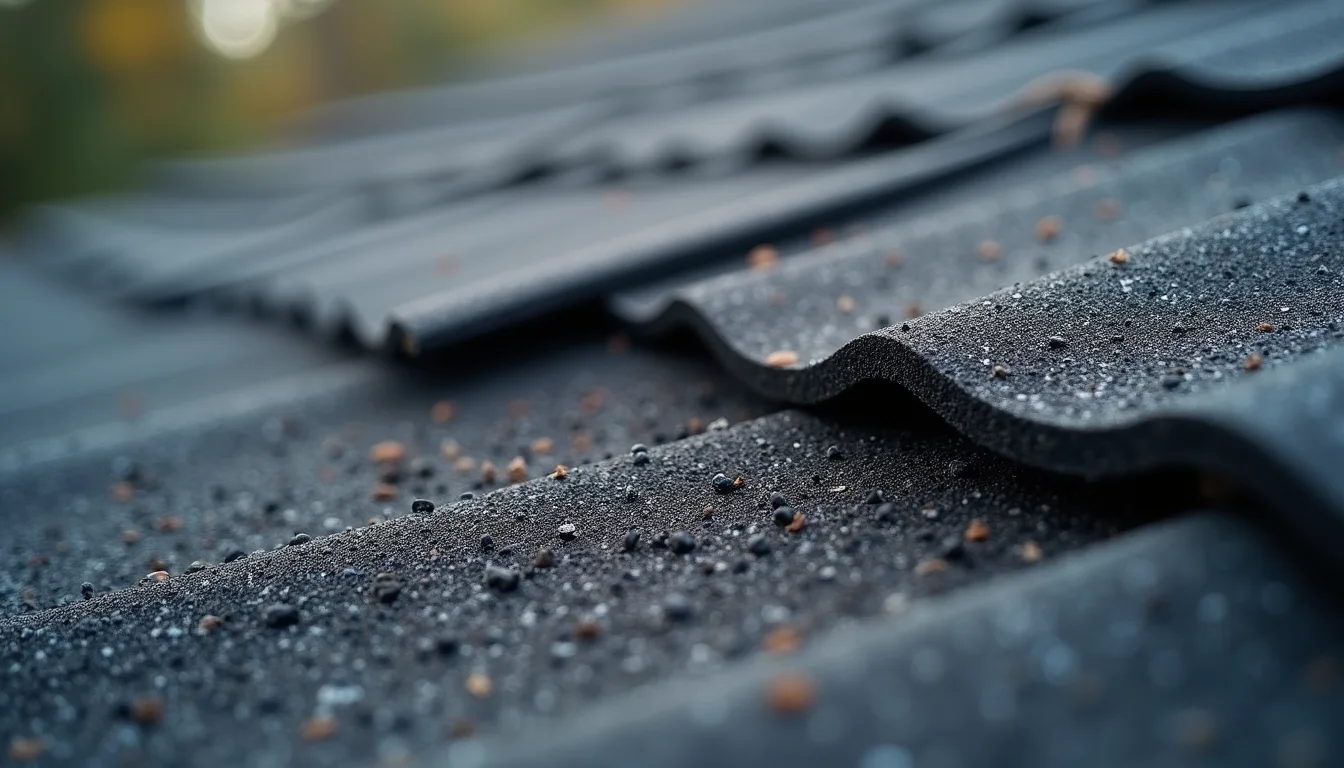
The first step in any repair process is understanding the extent and type of damage. Hail can affect roofing materials differently depending on size, speed, and roof composition. Common signs of hail damage include:
Dents on metal flashing and gutters
Cracked or missing shingles
Granule loss on asphalt shingles
Punctures or holes in roofing membranes
When inspecting your roof, look closely for these signs. Use binoculars or a ladder for a better view, but always prioritize safety. If you’re unsure, hiring a professional for a thorough inspection is a smart move.
Step-by-Step Hail Damage Roof Repair Tips
Once you identify the damage, follow these steps to repair your roof effectively:
Document the Damage
Take clear photos and notes of all affected areas. This documentation is essential for insurance claims and repair planning.
Contact Your Insurance Company
Report the damage promptly. Provide your documentation and schedule an adjuster visit. Understanding your coverage will help you budget for repairs.
Remove Damaged Shingles or Materials
Carefully remove cracked or broken shingles. For metal roofs, replace dented panels or flashing. Avoid damaging surrounding materials during removal.
Replace or Repair Roofing Materials
Use matching shingles or metal panels to maintain roof integrity and appearance. For minor granule loss, consider applying a roof sealant to extend the life of the shingles.
Seal and Waterproof
Apply roofing cement or sealant around repaired areas to prevent water infiltration. Pay special attention to seams, joints, and flashing.
Inspect and Clean Gutters
Hail can clog gutters with debris. Clean them thoroughly to ensure proper drainage and prevent water backup.
Schedule a Final Inspection
After repairs, inspect the roof again or hire a professional to confirm all damage is addressed and the roof is secure.
Choosing the Right Materials for Hail Damage Repair
Selecting durable materials is key to long-lasting repairs. Asphalt shingles are common but vary in quality. Opt for impact-resistant shingles rated for hail damage. Metal roofing offers excellent durability and can withstand hail better than many other materials.
For flat or low-slope roofs, consider high-quality rubber or synthetic membranes designed to resist punctures. Using the right materials not only repairs current damage but also strengthens your roof against future storms.
When to Call a Professional for Roof Repair
Some hail damage requires expert attention. If you notice:
Large punctures or holes
Extensive shingle loss
Structural damage to the roof deck
Leaks inside the building
It’s best to hire a licensed roofing contractor. Professionals have the tools and experience to assess hidden damage and perform repairs safely. They can also help navigate insurance claims and ensure repairs meet local building codes.
For those in the San Antonio area, I recommend checking out hail damage roof repair san antonio services. They specialize in precise, military-grade repairs tailored to local weather conditions.
Preventing Future Hail Damage
After repairing your roof, consider these strategies to reduce future hail damage:
Install Impact-Resistant Roofing Materials
Choose Class 4 impact-resistant shingles or metal roofing for better protection.
Add Roof Underlayment
A strong underlayment layer can absorb impact and prevent leaks.
Trim Overhanging Branches
Limbs can break during storms and cause additional damage.
Regular Roof Maintenance
Schedule inspections and cleanings to catch minor issues before they worsen.
Use Protective Roof Coatings
Some coatings add a layer of protection against hail and UV damage.
Taking these steps will extend your roof’s lifespan and reduce costly repairs after storms.
Final Thoughts on Hail Damage Roof Repair
Repairing hail damage requires prompt action, careful inspection, and quality materials. Whether you tackle minor repairs yourself or hire a professional, the goal is to restore your roof’s strength and protect your property. Document damage thoroughly, work with your insurance company, and choose durable materials to ensure lasting results.
Remember, a well-maintained roof is your best defense against hail and other weather challenges. Stay proactive, and your roof will continue to safeguard your home or business for years to come.