
Dealing with roof damage can be stressful. When the unexpected happens, knowing how to navigate the roof insurance claims process can save you time, money, and frustration. I want to share clear, practical advice to help you understand each step. This way, you can handle your claim confidently and get your roof repaired or replaced without unnecessary delays.
Understanding the Roof Insurance Claims Process
The roof insurance claims process can seem complicated, but it breaks down into manageable steps. First, you need to assess the damage and document it thoroughly. Take clear photos and notes about the extent of the problem. This evidence will support your claim.
Next, contact your insurance company promptly. Provide them with the details and follow their instructions carefully. They will likely send an adjuster to inspect the damage. Be present during the inspection to point out all issues and answer questions.
Once the adjuster completes their report, the insurance company will review it and determine your coverage. They will offer a settlement amount based on your policy terms. If you agree, the claim moves forward, and you can hire a contractor to start repairs.
Throughout this process, keep all receipts and records related to temporary fixes or repairs. These documents can help if you need reimbursement later.
Will Insurance Pay for a New Roof if It's Leaking?
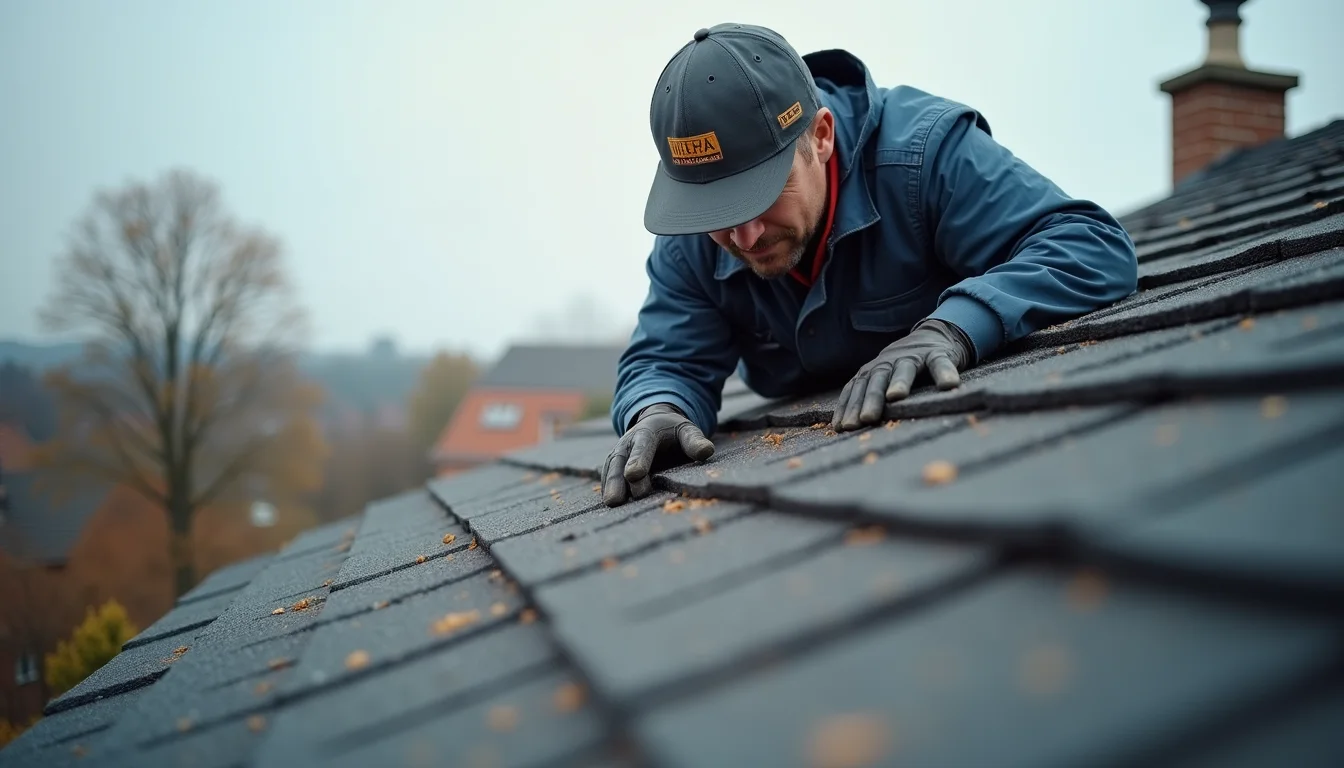
A common question is whether insurance will cover a new roof if it is leaking. The answer depends on the cause of the leak and your policy coverage. Insurance typically covers sudden, accidental damage like storm damage, hail, or fallen trees. If the leak results from these events, your claim is more likely to be approved.
However, if the leak is due to normal wear and tear or lack of maintenance, insurance companies usually deny the claim. They expect homeowners to maintain their roofs and address minor issues before they worsen.
To improve your chances of approval, document the damage as soon as you notice it. Also, keep records of regular roof maintenance and repairs. This shows you have taken good care of your property.
If your claim is approved, the insurance may cover a full roof replacement or just the necessary repairs. The adjuster’s report will clarify what is included.

How to Prepare Before Filing a Roof Insurance Claim
Preparation is key to a smooth claim process. Start by reviewing your insurance policy carefully. Understand what types of roof damage are covered and any exclusions. Knowing your deductible amount is also important because it affects your out-of-pocket costs.
Next, gather evidence of the damage. Use a good camera or smartphone to take multiple photos from different angles. Include close-ups of damaged areas and wider shots showing the overall condition.
Write down the date and time you discovered the damage. If a storm caused it, note the weather conditions and any official reports or news articles about the event.
Contact your insurance agent or company as soon as possible. Delays can complicate your claim or even lead to denial.
Finally, get estimates from reputable roofing contractors. Having these ready can help you understand repair costs and negotiate with your insurer.
Tips for Working with Insurance Adjusters
Insurance adjusters play a crucial role in your claim. They assess the damage and recommend how much the insurance company should pay. Here are some tips to work effectively with them:
Be present during the inspection. Walk through the damage with the adjuster and point out all affected areas.
Provide your documentation. Show photos, repair estimates, and maintenance records.
Ask questions. Clarify what is covered and how the settlement amount is calculated.
Stay calm and professional. Keep the conversation focused on facts.
Get a copy of the adjuster’s report. This helps you understand their findings and prepare for the next steps.
If you disagree with the adjuster’s assessment, you can request a second opinion or hire an independent inspector. Sometimes, a professional contractor can provide additional evidence to support your claim.
What to Do After Your Roof Insurance Claim Is Approved
Once your claim is approved, you will receive a settlement offer. Review it carefully to ensure it covers all necessary repairs or replacement costs. If you accept, you can move forward with hiring a contractor.
Choose a licensed, experienced roofing company with good reviews. Ask for a detailed contract that outlines the scope of work, materials, timeline, and payment terms.
Keep all receipts and invoices related to the repair work. Submit these to your insurance company if required for reimbursement.
After repairs are complete, inspect the work thoroughly. Make sure everything matches the contract and that the roof is fully restored.
If you encounter any issues during repairs, communicate promptly with your contractor and insurance company. Resolving problems early prevents delays and additional costs.
For more detailed information on the topic, you can learn about how does a roof insurance claim work.
Staying Prepared for Future Roof Issues
Roof damage can happen unexpectedly, but you can reduce risks by staying proactive. Schedule regular roof inspections, especially after severe weather. Keep gutters clean and trim overhanging branches to prevent damage.
Maintain records of all inspections, repairs, and maintenance. This documentation supports future insurance claims and helps you track your roof’s condition.
Consider upgrading your roof with durable materials that withstand local weather conditions. This investment can lower repair costs and insurance premiums over time.
Finally, review your insurance policy annually. Make sure your coverage matches your current needs and property value.
By staying informed and prepared, you can handle roof insurance claims smoothly and protect your property effectively.