San Antonio and Bexar County just experienced several days of sustained rain. A weather system affected South Central Texas from the night of Wednesday, September 30, into the weekend. The National Weather Service placed Bexar County and much of the surrounding region under a Flood Watch through Friday evening and warned that widespread totals of 1 to 4 inches, with isolated amounts up to 8 inches, were possible.
Source: National Weather Service Austin/San Antonio Flood Watch.
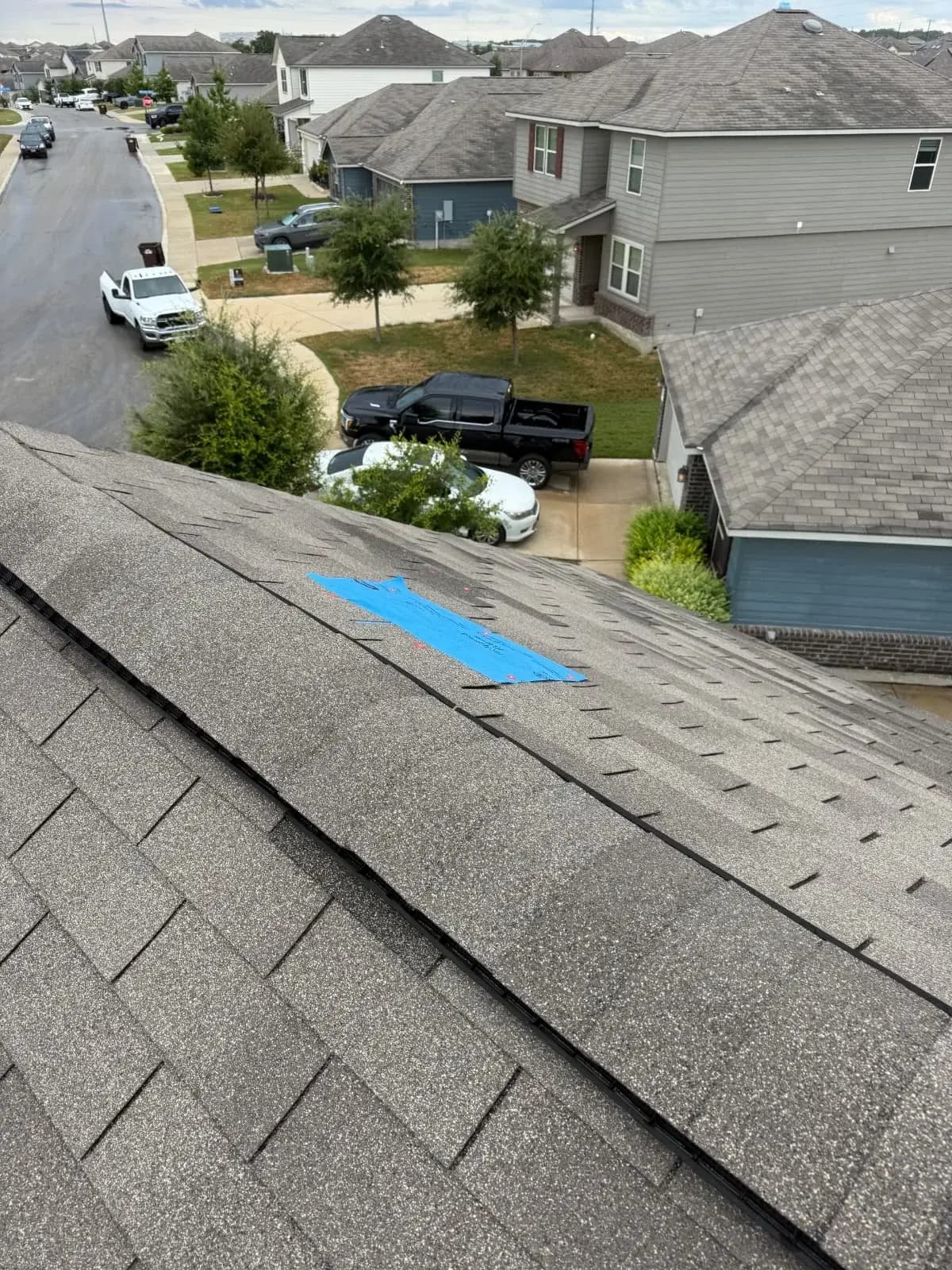
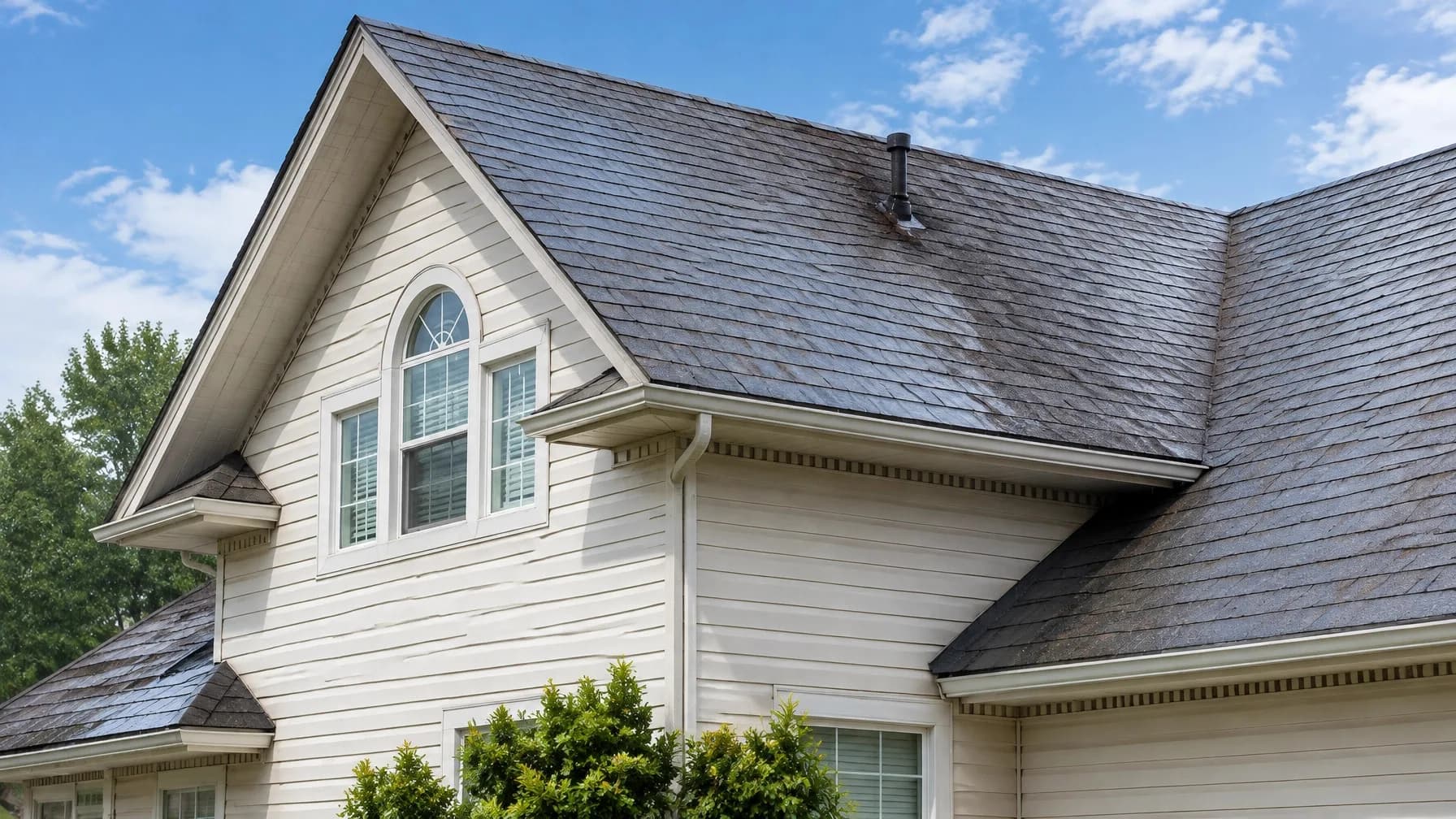
This was primarily a prolonged rain and flooding concern. That does not establish widespread roof damage, but sustained rain can expose weaknesses that were already developing, including worn flashing, deteriorated sealant, clogged valleys, failed pipe boots, and damaged shingles. A small opening may not become obvious until water has had several days to test it.
Now that conditions are drier, it is a practical time to check your property.
What several days of rain can reveal about a roof
A single heavy downpour can overwhelm gutters and drainage systems quickly. Long-duration rain creates a different kind of stress. Water repeatedly moves across the same roof surfaces, sits in valleys, collects behind debris, and works through small openings around penetrations and flashing.
The rain may not create a new roof defect. Instead, it can reveal a problem that was already developing.
Pipe boots and vent collars
Chimney and wall flashing
Roof valleys and drip edges
Nail pops and exposed fasteners
Deteriorated sealant
Damaged, cracked, or missing shingles
Debris accumulation in valleys and behind roof penetrations
Clogged gutters and downspouts
Low areas on flat or low-slope roofs
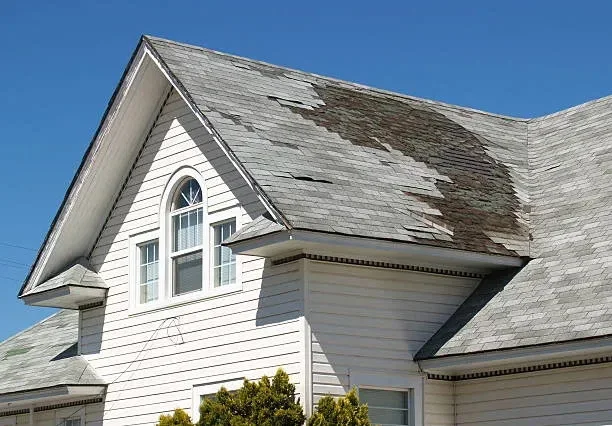
A roof can appear intact from the yard and still allow water into the attic or roof decking. That is why the most useful inspection begins inside the home and attic, not by climbing onto the roof.
Check the ceilings and attic before checking the roof
Walk through the rooms beneath the roof and look for changes, including in closets, hallways, and areas near exterior walls.
Yellow, brown, or gray ceiling stains
Bubbling, peeling, or discolored paint
Damp or musty odors
Streaks on walls
Water marks around light fixtures or ceiling fans
Sagging drywall
Damp attic insulation
Dark or wet areas on roof decking
Moisture around rafters, vents, chimneys, and roof-wall intersections
Water does not always appear directly beneath the point where it enters. It can travel along the underside of the roof decking, rafters, insulation, or framing before reaching the ceiling. A stain in one room may be connected to a roof penetration several feet away.
If you find a new stain or damp area, photograph it before cleaning, painting, or removing materials. Take wide photos that show the room and close photos that show the damage. Note the date, location, and whether the area feels wet.
If water is near a light fixture, ceiling fan, outlet, or other electrical component, avoid touching the area and contact an appropriately qualified professional.
Inspect the exterior from the ground
Do not walk on the roof, especially after several days of rain. Wet shingles can be slippery and saturated decking may be soft or unsafe. From the ground, use binoculars if available and look for:
Missing, cracked, curled, or displaced shingles
Exposed underlayment or damaged flashing
Sagging gutters
Water stains on fascia or soffit
Debris dams in valleys
Granules collecting in gutters or at downspout outlets
Standing water on a flat roof
Overflow marks below gutters
Branches or debris accumulated on the roof
Do not remove roof debris or attempt a temporary repair from a ladder unless you are properly equipped and trained. A ground-level review can identify warning signs, but it cannot replace a complete roof and attic evaluation.
A practical room-by-room rain inspection checklist
Use this checklist to create a simple record for your property.
Bedrooms and living areas
Check ceilings for stains, bubbling, or sagging.
Look around ceiling fans, light fixtures, and upper corners.
Check walls for fresh streaks or discoloration.
Note any musty odor.
Bathrooms and utility rooms
Inspect around exhaust fans and vent areas.
Check ceilings below roof penetrations.
Look for moisture around plumbing vent locations.
Inspect nearby attic access points if available.
Attic
Use a flashlight.
Look for damp insulation or dark roof decking.
Check around pipe boots, vents, chimneys, and valleys.
Do not step on areas that appear soft or unsupported.
Photograph visible moisture and staining.
Exterior walls and roof edges
Look for water stains on fascia and soffit.
Check gutters for sagging or overflow evidence.
Look for debris collecting in valleys and behind penetrations.
Inspect downspouts for blockages and improper discharge.
Documentation
Photograph each area before cleaning.
Write down the room, location, and date.
Note whether the condition is dry, damp, or actively leaking.
Keep related repair receipts and professional reports.
When a roof leak needs prompt attention
If water is actively entering, place a container under the drip if it is safe to do so and protect furniture or flooring. Do not puncture a bulging ceiling. A swollen ceiling can contain accumulated water and may require professional attention.
Contact a roofing professional promptly if you see:
Active dripping
New ceiling stains after the rain
Wet attic insulation
Exposed decking
Missing or damaged shingles
Failed flashing
Water entering around a vent or chimney
Sagging drywall
Repeated leakage in the same area
Waiting can become more expensive because moisture may remain in decking, insulation, drywall, and framing. Repeated wetting can contribute to rot, mold growth, weakened materials, and damage that extends beyond the original entry point. The goal is not to assume the worst. It is to identify a manageable issue before it becomes more extensive.
Rain damage and wind or hail damage are not the same conversation
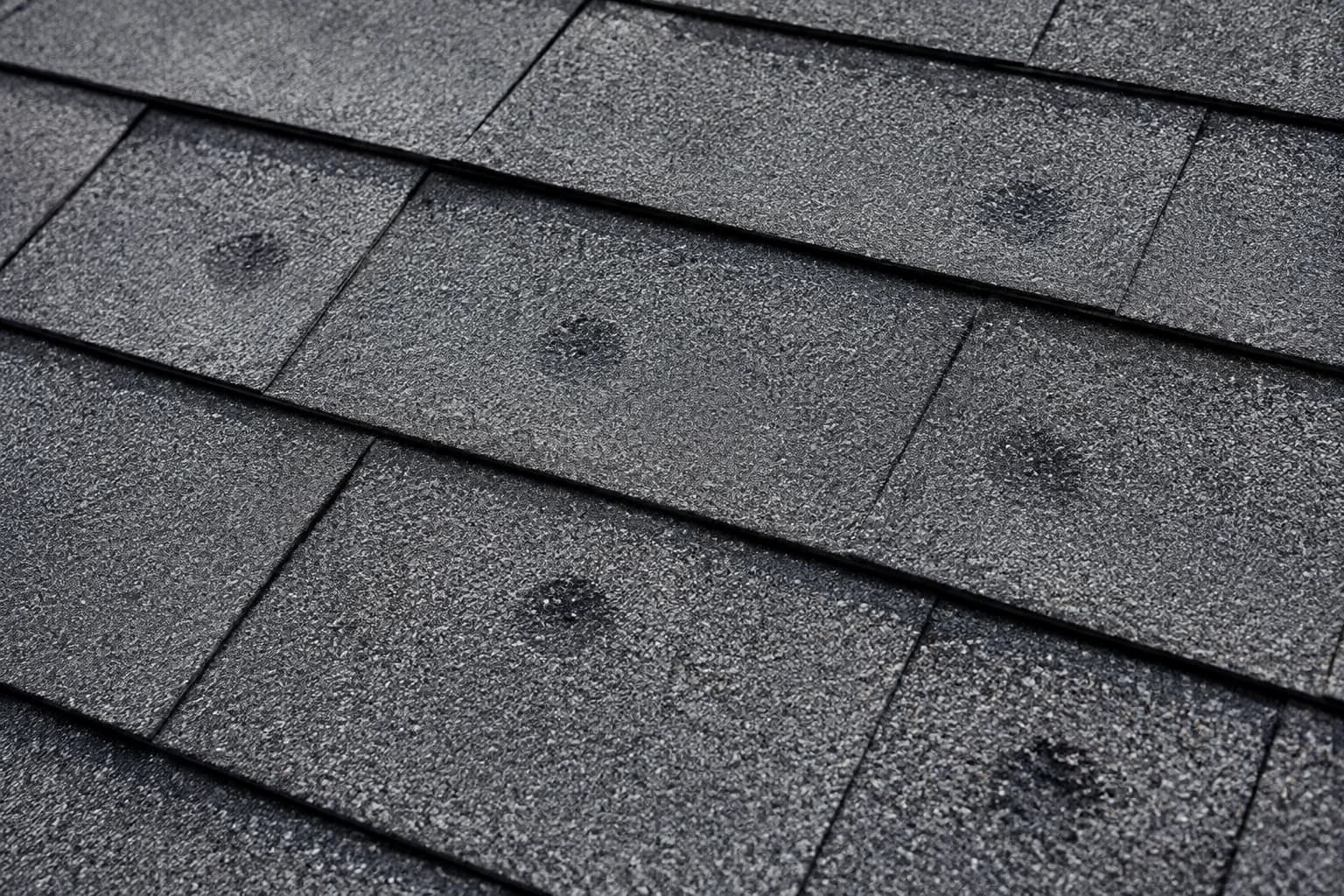
This recent San Antonio weather event should not automatically be treated like a hail or wind claim. Hail and wind can leave physical evidence such as impact marks, lifted shingles, missing shingles, damaged ridge caps, or exposed underlayment. Sustained rain more often exposes vulnerabilities around flashing, sealants, roof penetrations, drainage points, and existing wear.
Insurance treatment can also differ. Homeowner policies may cover sudden and accidental water damage in some circumstances. Damage caused by rising surface water and flooding is generally handled differently and may involve a separate flood policy.
Coverage depends on the policy, the facts, the cause of loss, and the carrier's evaluation. Sanders & Co does not determine coverage outcomes or advise whether a claim will be approved. Our role is to evaluate the property, document visible conditions, explain the required work, and complete the contracted repairs.
For insurance-related concerns, keep photographs, inspection records, repair documents, and carrier communications organized. Learn more about our roof insurance inspection and documentation process.
What to do if water is still entering
If active water intrusion continues, temporary protection may help limit additional damage while a complete repair is planned. Emergency roof tarping in San Antonio can provide short-term protection over a damaged area when conditions allow.
Tarping is not a permanent repair. It is a temporary measure intended to reduce further exposure until the roof can be properly evaluated and repaired.
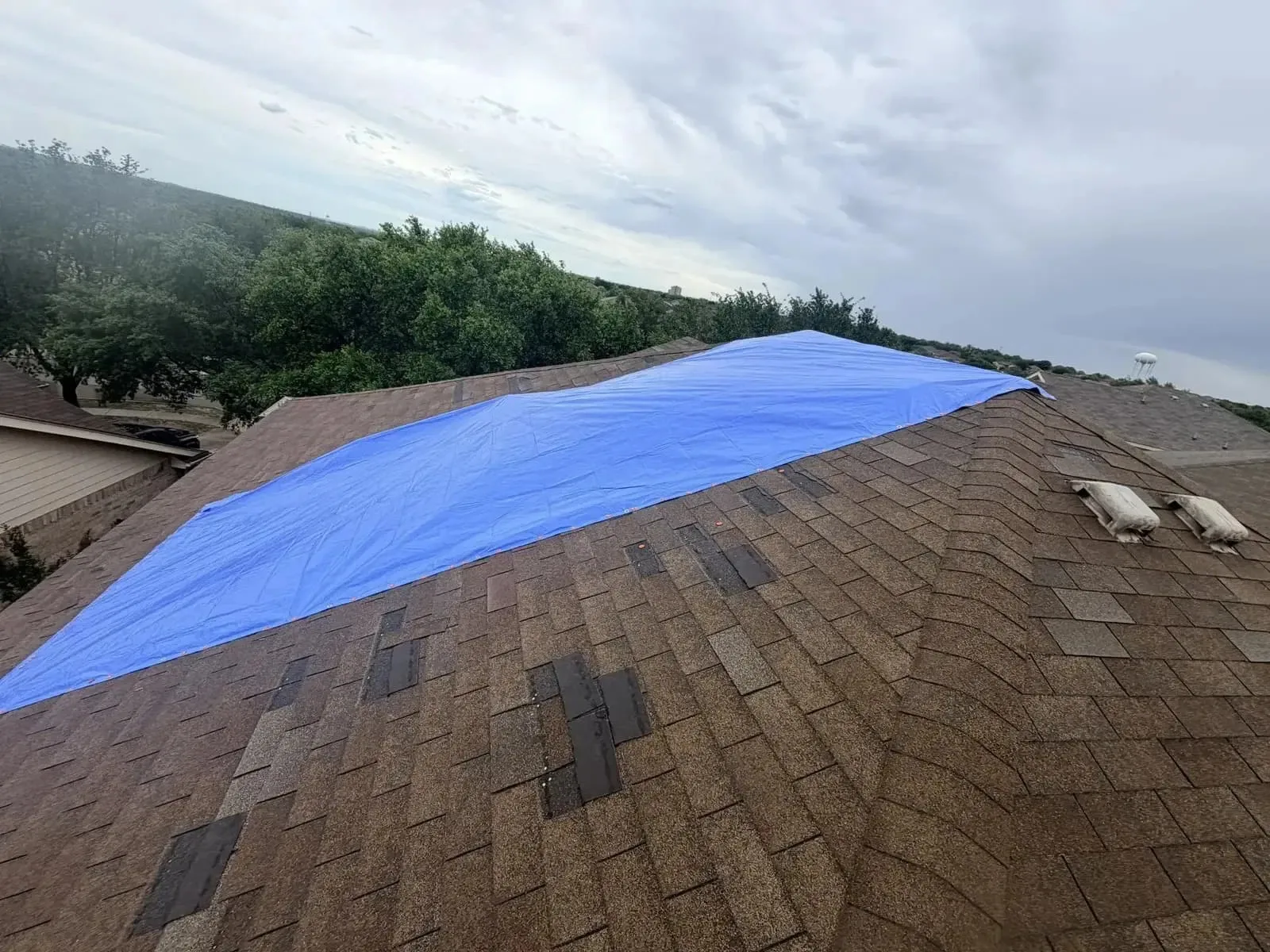
If you need immediate assistance, review our roof repair services in San Antonio or storm restoration services.
One coordinated inspection creates a clear path forward
Sanders & Co is a veteran-led roofing contractor with a general contracting background. Roofing is our primary focus, and we also take on concrete, fencing, landscaping, plumbing coordination through qualified professionals, exterior restoration, and general property repairs.
Roofing first, and we handle more than the roof.
Inspection: We review the roof, attic, visible exterior, and reported interior concerns.
Documentation: We provide clear, photo-backed findings.
Planning: We explain whether the issue appears suitable for repair, requires temporary protection, or needs broader restoration.
Coordination: We provide a written scope and coordinate the required work.
Completion: We verify the completed repair and communicate the next steps clearly.
Sanders & Co is a Service-Disabled Veteran-Owned business, fully insured, and GAF Certified with access to enhanced system warranties such as the System Plus Limited Warranty when applicable and subject to program requirements. GAF warranty matters are handled according to program terms. If a roof is covered under an existing GAF workmanship warranty, homeowners should first contact the original installing contractor.
Schedule a free, photo-backed roof inspection
The recent rain does not mean every San Antonio roof has been damaged. It does mean that existing vulnerabilities may now be easier to identify.
Review your ceilings, attic, gutters, and roof edges without climbing onto the roof. Photograph anything unusual. If you find moisture, active leakage, or signs you cannot confidently evaluate, request a free roof inspection.
Sanders & Co provides local service across San Antonio and surrounding communities, with same-day availability when possible. The first step is simple: document what you see, review the property with a qualified roofing team, and make a clear decision based on the condition of your roof.