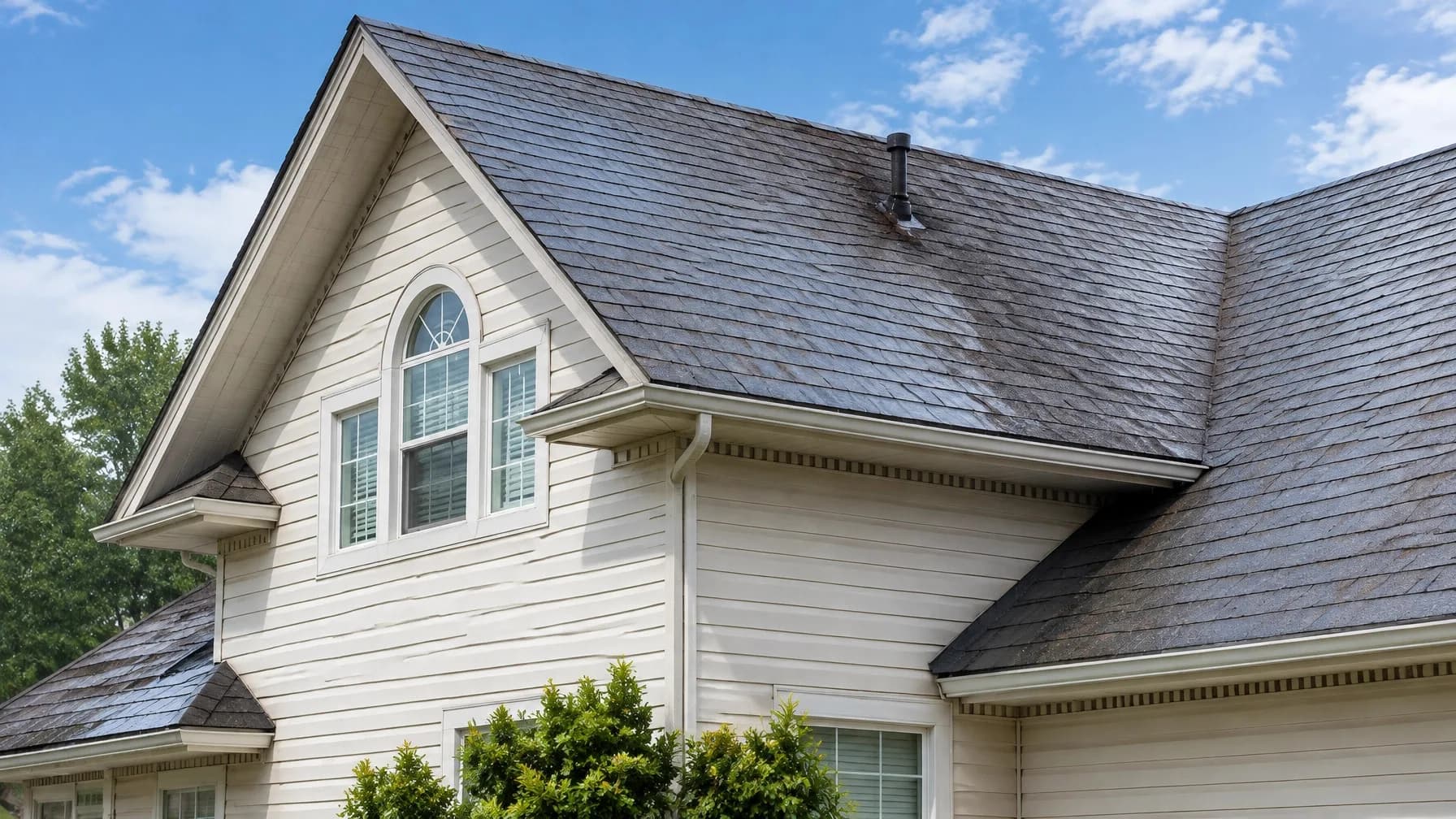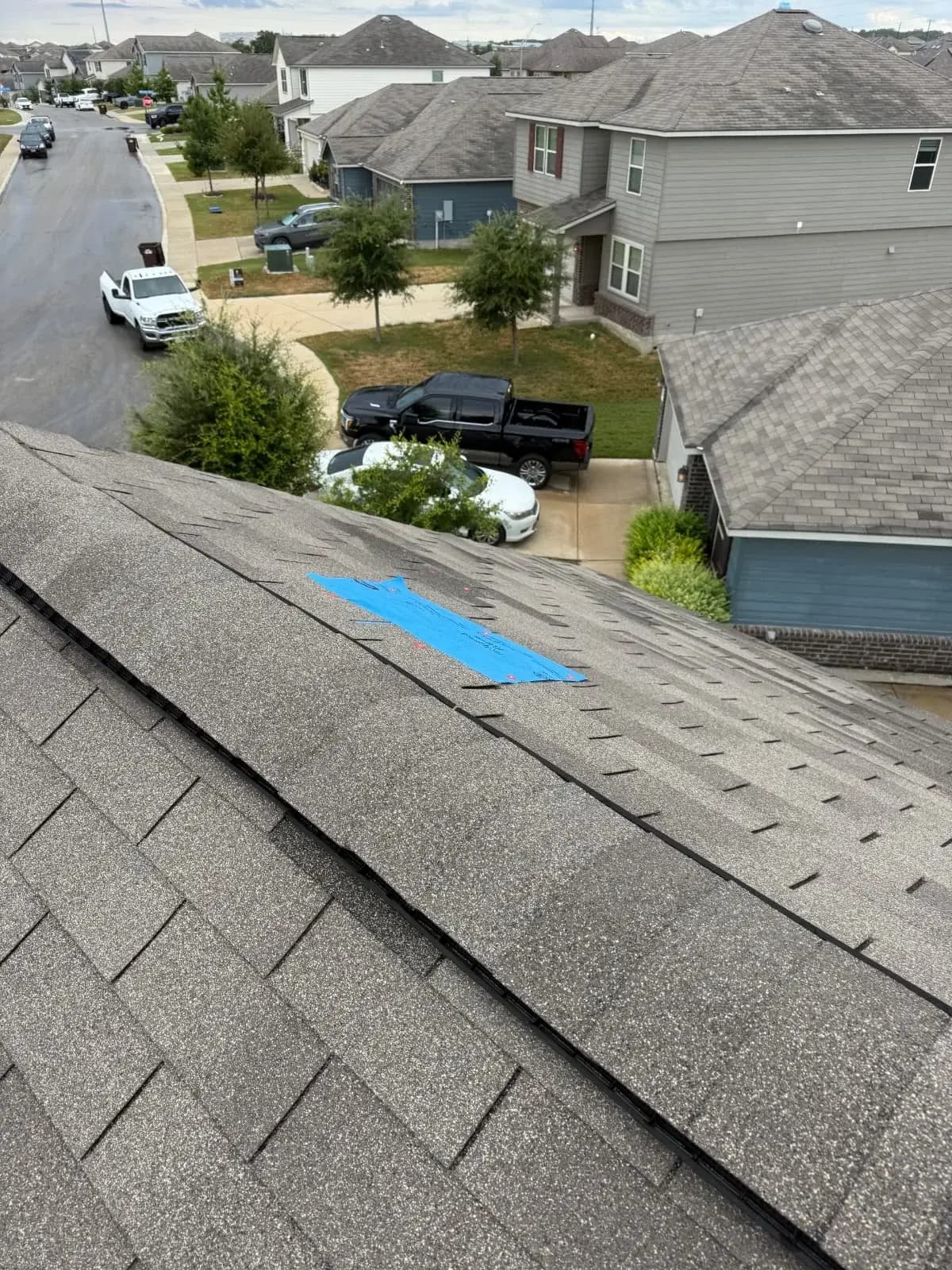
San Antonio hailstorms can vary dramatically from one neighborhood to the next. One property may show obvious damage while a home only a few blocks away appears untouched. Hail size matters, but wind speed, roof age, material type, roof slope, and the direction of impact also influence the result.
The most important point is simple: hail damage does not always cause an immediate leak. Damage can weaken roofing materials or shorten their service life before water reaches the interior.
Common signs of hail impact
Fresh dents or impact marks on gutters, downspouts, roof vents, flashing, or metal trim.
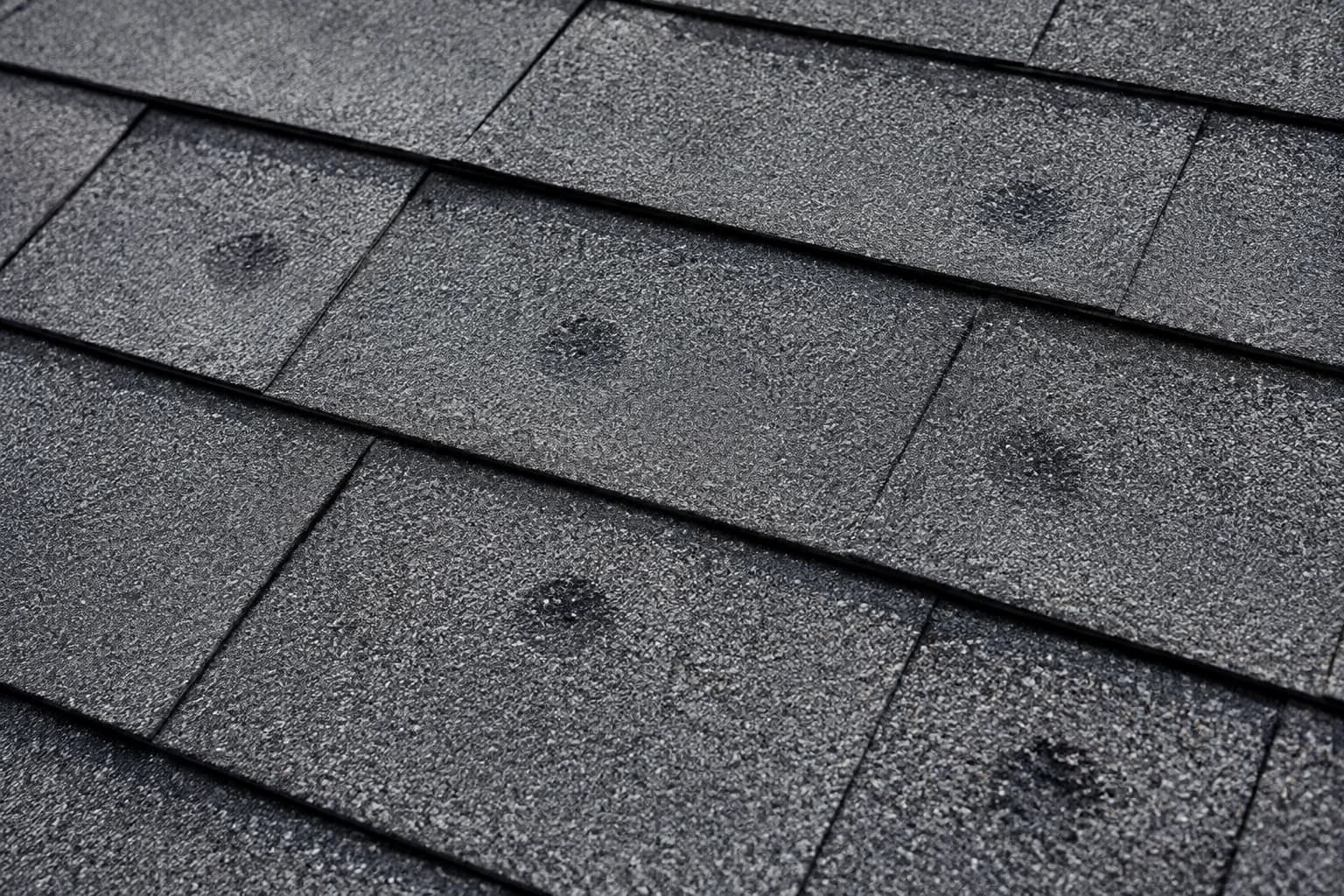
Bruised, cracked, or fractured asphalt shingles.
Areas where protective granules have been displaced from the shingle surface.
Damage to window screens, siding, painted surfaces, fencing, or outdoor equipment.
New water stains, damp attic materials, or unexplained moisture after the storm.
Granule loss does not automatically mean replacement
Asphalt shingles naturally lose some granules as they age. Foot traffic, installation conditions, and normal weather exposure can also affect the surface. A proper inspection looks at the pattern, density, and location of marks, then considers the age and overall condition of the roof. One isolated mark should not be treated as proof that the entire roofing system has failed.
Why a ground-level look is not enough
Some hail-related conditions are subtle and require close evaluation. A qualified inspector should review multiple roof slopes and representative areas, along with soft-metal components and exterior surfaces. The purpose is to understand the property as a whole and distinguish storm-related concerns from age, installation issues, or normal wear.
What to do after a hailstorm
Make sure the property is safe and stay away from electrical hazards or unstable debris.
Photograph hail accumulation and visible exterior damage if conditions allow.
Note the date and approximate time of the storm.
Request a professional inspection before approving repair or replacement work.
If damage may be covered, review your policy and follow your insurer’s reporting process.
Keep copies of photos, estimates, inspection notes, invoices, and communication.
Repair or replacement?
Not every hail-affected roof requires replacement. Localized damage may be repairable when compatible materials are available and the surrounding roof remains serviceable. More extensive damage, widespread material failure, or conditions that prevent a dependable repair may support a broader scope. Sanders & Co explains the observed conditions and the practical options so the homeowner can make an informed decision.
Get a clear evaluation
If hail recently affected your San Antonio, Schertz, Cibolo, Converse, Live Oak, or surrounding-area property, Sanders & Co can evaluate the roof and exterior. We provide photos and straightforward recommendations, with repair considered when it is a sound option.