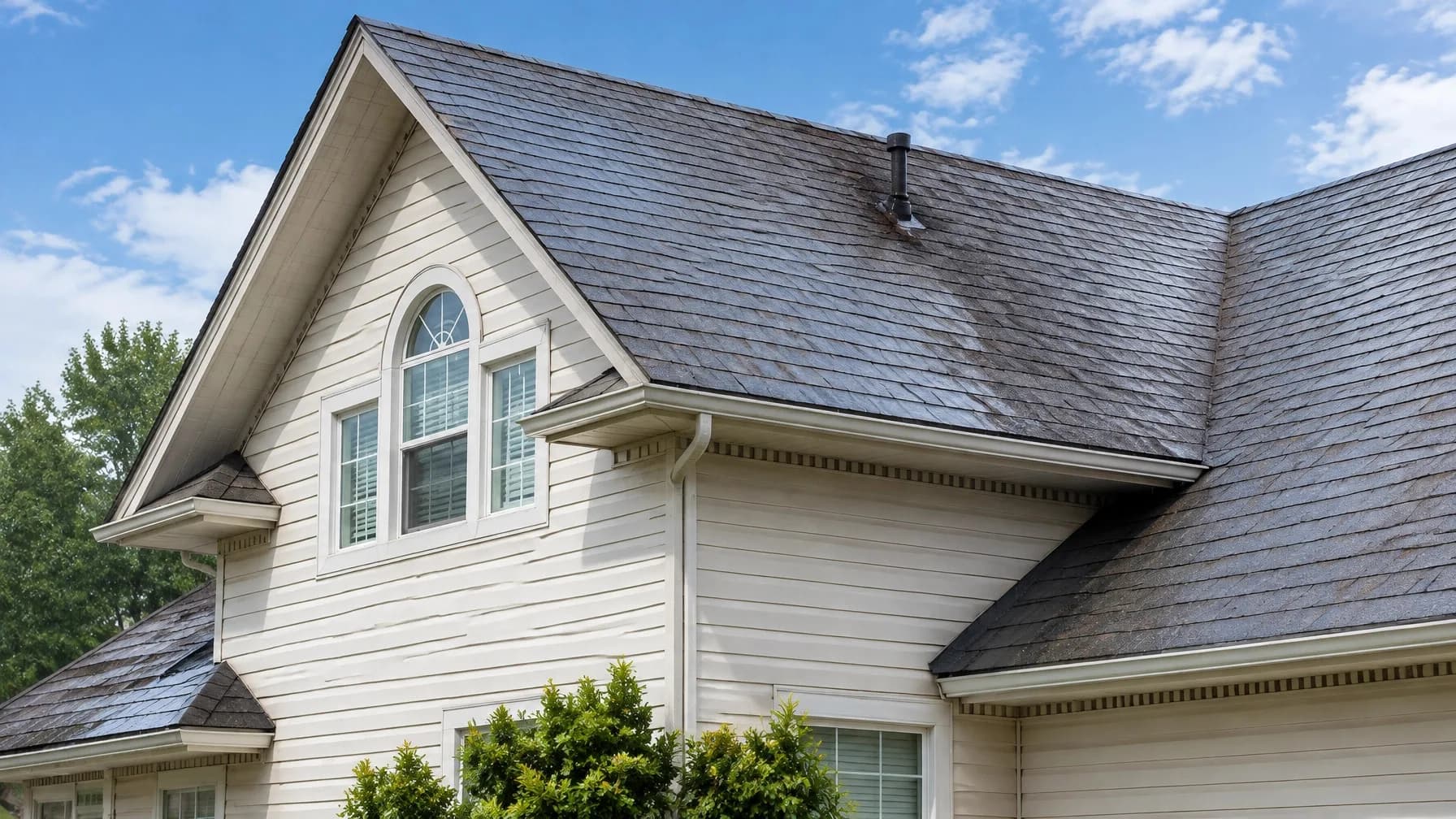
Friday night’s storm was not a routine summer thunderstorm for many San Antonio families. The National Weather Service found that damaging straight-line winds moved through Bexar County between 8:45 p.m. and 10:00 p.m. on August 28, 2026. The documented damage corridor stretched from near Live Oak through central San Antonio and into southwest Bexar County.
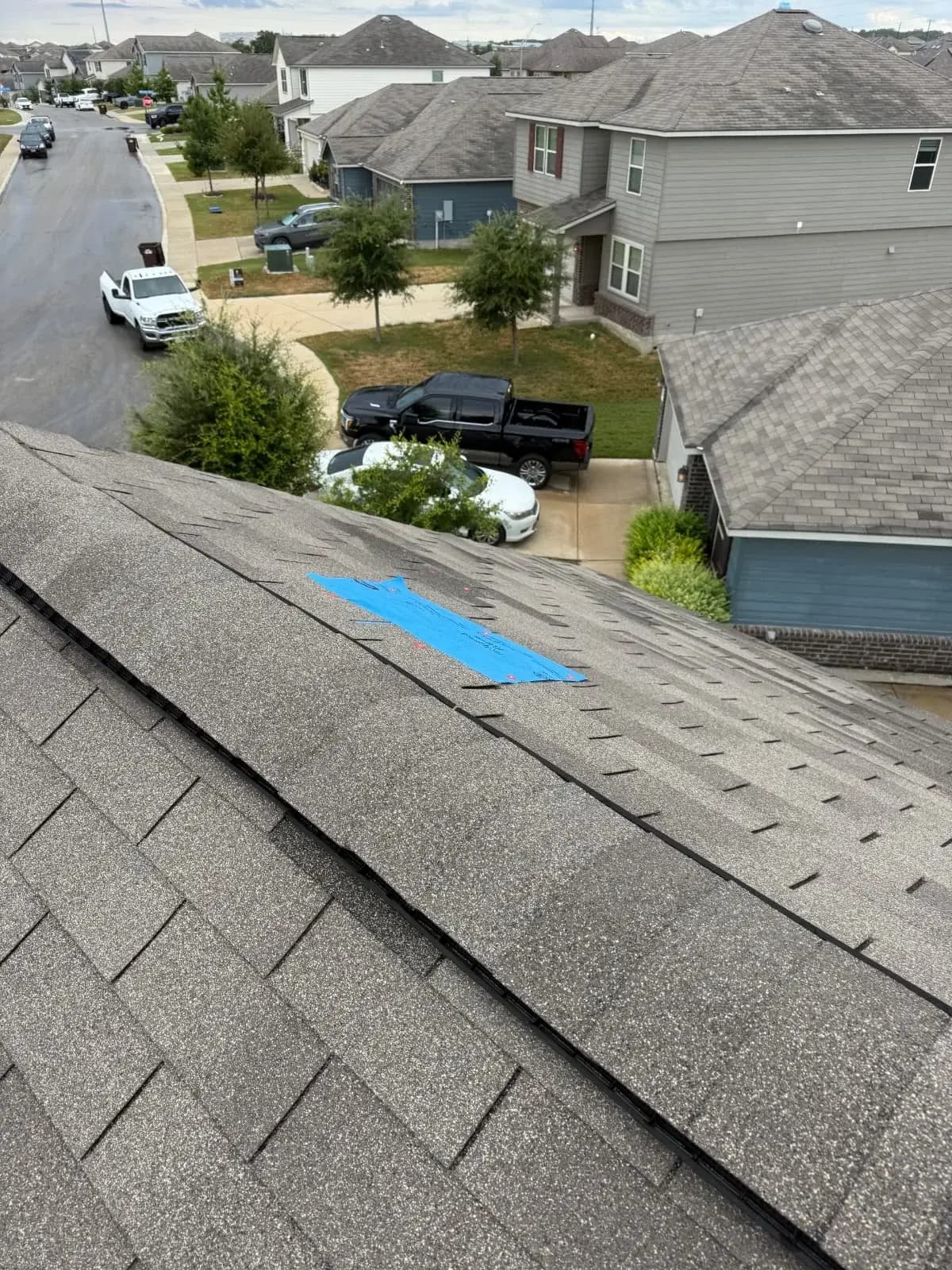
Measured wind speeds reached 55 to 65 mph, with pockets of 70 to 80 mph considered likely based on radar and observed damage. Trees, utility infrastructure, fences, and some structures were damaged across the area. Even when a roof still looks intact from the driveway, winds at those speeds can lift, crease, loosen, or remove roofing components.
Source: National Weather Service Austin/San Antonio damage survey for the August 28 event.
Start with safety, not the roof
Do not climb onto a wet, steep, or potentially damaged roof. Stay clear of downed power lines, leaning trees, broken limbs, and any area where the roof deck may be unstable. A safe ground-level review can still reveal useful warning signs.
Look for shingles, metal flashing, ridge-cap pieces, or roofing debris in the yard.
Check the roofline for missing or shifted materials without climbing onto the roof.
Look for tree limbs touching the roof or damage near gutters, fascia, vents, and siding.
Check ceilings and attic areas for new stains, damp insulation, or signs of water entry.
Photograph visible damage before temporary cleanup or repairs when it is safe to do so.
Wind damage is not always obvious
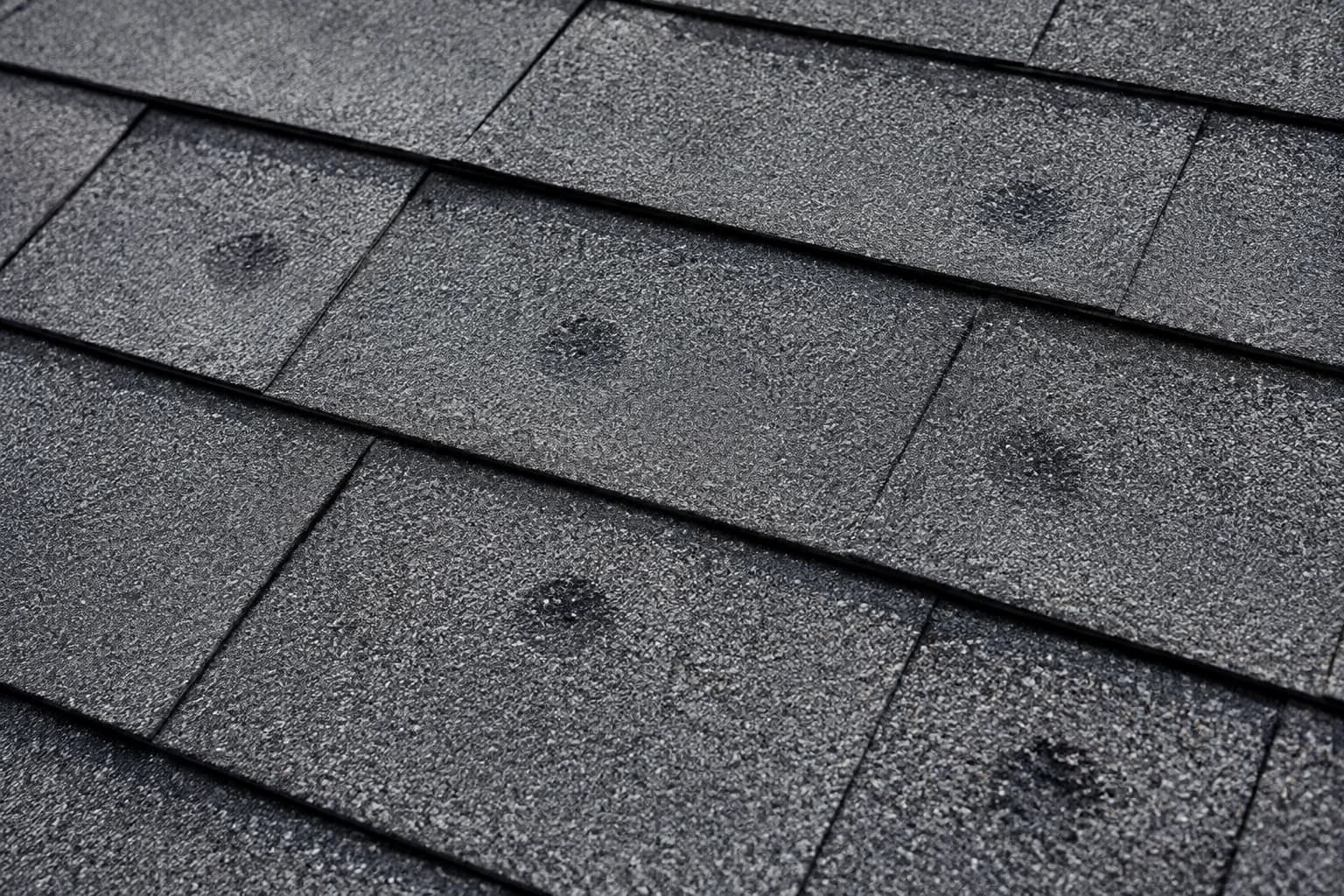
A missing shingle is easy to recognize. Lifted seals, creased tabs, loosened flashing, punctures from debris, and damage around roof penetrations can be much harder to see from the ground. Some problems do not produce an immediate interior leak, but they can reduce the roof’s ability to handle the next storm.
A professional inspection should evaluate the full roofing system, not just one visible trouble spot. That includes roof coverings, flashing, valleys, ridge caps, vents, gutters, fascia, exposed edges, and accessible interior areas when appropriate.
What to do if you find damage
Document visible conditions with clear photos and notes.
Take reasonable steps to prevent additional damage without putting yourself at risk.
Schedule a qualified roof inspection before agreeing to major work.
Review your insurance policy and contact your carrier if you believe covered damage may have occurred.
Keep inspection findings, estimates, receipts, photos, and correspondence together.
Avoid pressure after a major storm
Severe weather often brings a rush of contractors into affected neighborhoods. Ask who is inspecting the property, verify insurance, review the written scope, and understand anything you are asked to sign. A responsible contractor should be willing to explain what was observed, whether repair may be practical, and why a larger scope might be recommended.
Schedule a San Antonio roof inspection
Sanders & Co Contracting Group provides roof and exterior inspections throughout Greater San Antonio. Our goal is to identify visible concerns, explain the condition of the property clearly, and help you understand the appropriate next step. If your home was in or near the August 28 damage path, an inspection can provide clarity even when no active leak is visible.